
One of the questions we get asked at Faulkner Surveyors is what a party wall is and what a boundary wall is. Both include the space between two properties, but they are not quite synonymous—and confusing one for the other can lead to misunderstandings or even disputes.
A party wall is a wall that commonly rests on the land of two owners, and forms part of (or serves both) a building. On the other hand, a boundary wall generally covers a single land parcel and may extend beyond the boundary line, functioning in a more isolated manner.
You need to know what kind of wall you are dealing with, as it determines your rights and responsibilities, especially if you want to carry out construction work.
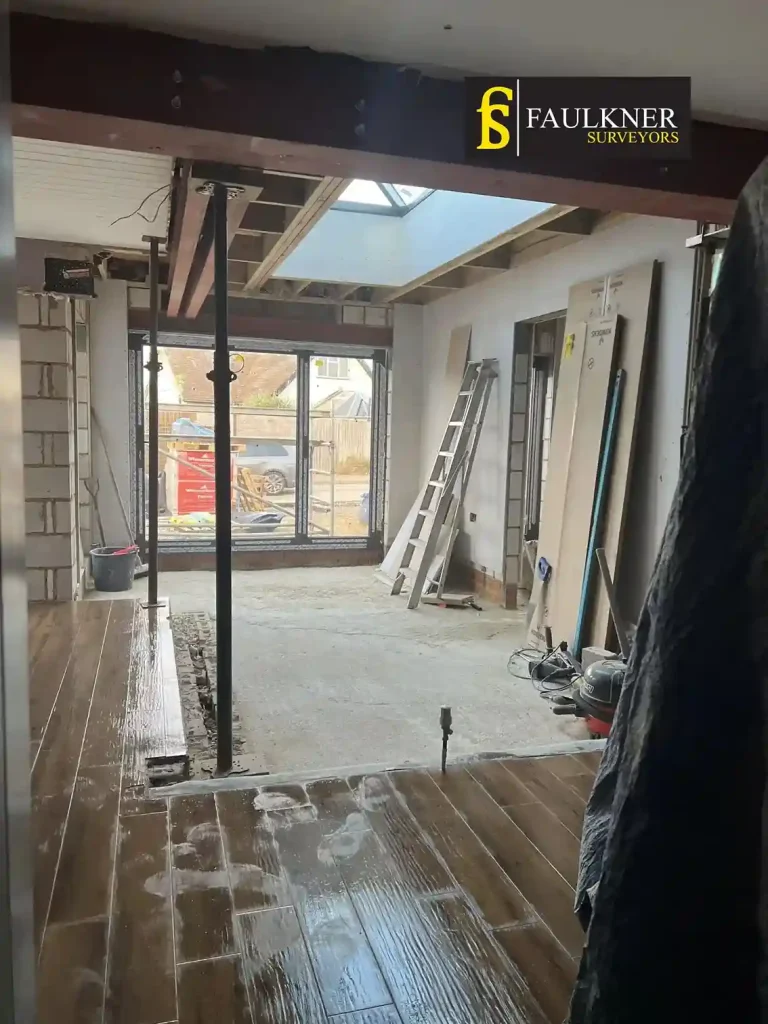
What’s the Key Difference Between a Party Wall and a Boundary Wall Crawley?
The key difference lies in ownership and use.
A party wall is shared. It sits right on the boundary line and is commonly found in terraced or semi-detached houses.
Both neighbours have rights over it and any changes to it, such as cutting into it for an extension, usually require consent under the Party Wall etc Act 1996.
A boundary wall, however, is generally owned by just one property. It may be positioned entirely on one person’s land and isn’t necessarily shared.
According to guidance from HM Government, an owner may generally alter or remove a boundary wall on their own land within legal limits without needing the neighbour’s consent, but should proceed with caution and ensure compliance with any relevant regulations.
Is the Wall Between Two Gardens a Party Wall Crawley or Just a Boundary Feature?
Good question! In most cases, the wall between two gardens is not a party wall. It’s more likely to be a boundary wall, or even just a fence or other feature, that marks the edge of a property.
A party wall must be part of a building or used by both properties for structural purposes. Garden walls are usually not part of a structure and are often owned entirely by a single property owner. See Here: What is a Party Boundary? – Faulkner’s Surveyors
That said, garden walls can still cause disputes if one neighbour wants to change or remove them. So it’s always worth checking the title deeds or asking a surveyor before doing anything.
Can One Wall Be Both a Party Wall and a Boundary Wall Crawley?
Yes, it’s possible for a wall to be both a party wall and a boundary wall, but only in certain situations.
For example, if a wall runs along the boundary line and forms part of both buildings (as in a pair of semi-detached houses), it would be classed as both. It serves as a boundary marker and is also a shared structural wall.
In cases like this, both neighbours usually share responsibility and must follow the rules of the Party Wall Act if any work is proposed.
Who Actually Owns a Party Wall in Crawley, UK: You, Your Neighbour, or Both?
Ownership of a party wall is shared, but that doesn’t mean both sides can do whatever they like.
If the wall stands directly on the boundary and is used by both properties, then technically each neighbour owns half of it on their land, but its use and any changes to it are shared and regulated. Can my Neighbour remove a boundary hedge ?
This means that if you want to carry out building work that affects the wall, such as inserting steel beams or removing a chimney breast, you’ll usually need to serve a Party Wall Notice and obtain your neighbour’s agreement (or involve a surveyor).
What Does the Party Wall Act Crawley Say About Shared Ownership?
The Party Wall etc. Act 1996 doesn’t change ownership—it simply governs how work affecting shared walls should be handled.
It’s there to protect both parties and outlines your rights and responsibilities if you plan to carry out building work that involves:
- A shared wall or structure.
- Work near a boundary line.
- Excavation close to a neighbouring property.
The Act requires that you inform your neighbour and, in some cases, involve a qualified party wall surveyor to ensure everything is fair and legal.
It’s all about avoiding disputes before they arise.

Can You Knock Down a Boundary Wall Crawley Without Your Neighbour’s Consent?
Not always. If the wall is clearly within your land and isn’t shared, then yes, you may be able to remove or modify it without needing your neighbour’s consent.
However, things get tricky if the wall sits on the boundary line or if it’s unclear who owns it. In those cases, you could risk a dispute (or even legal action) by knocking it down without checking. Can I put a trellis on my neighbour’s garage wall?
The safest option? Speak to your neighbour first and, if needed, seek advice from a surveyor such as Faulkner Surveyors. A quick conversation can save a lot of trouble later on.
If Damage Occurs, Who Is Responsible,You or the Other Party?
Responsibility usually depends on who caused the damage, and whether it was due to building work, negligence, or natural wear and tear.
If you carry out work on or near a shared or boundary wall and damage results, you’ll likely be responsible for the repair costs. This is why the Party Wall process matters.
A Schedule of Condition: a detailed record of the neighbouring property before work starts, helps everyone stay protected. If damage does occur, this record makes it much easier to resolve the issue fairly.
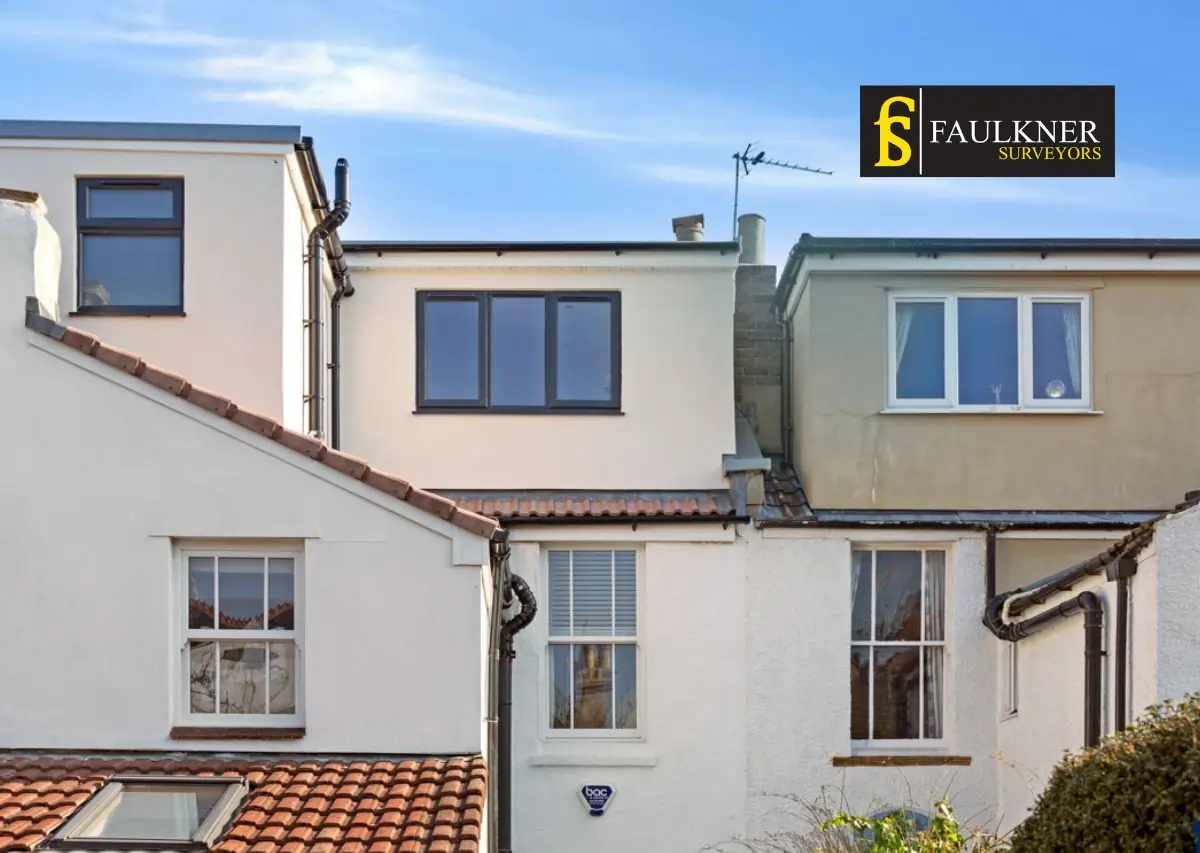
What Should You Do If Your Neighbour Builds Over the Boundary Crawley?
If you believe your neighbour has built over the boundary without permission, don’t panic—but do act calmly and promptly.
Here’s what we recommend at Faulkner Surveyors :
- Check your title plans to confirm the legal boundary.
- Talk to your neighbour—they might not even realise they’ve crossed the line.
- If needed, involve a professional surveyor who can assess the situation and help you take the right steps.
- In more serious cases, legal advice may be necessary, but that should always be a last resort.
Early communication and a clear understanding of the facts often help resolve things before they escalate.alate
FAQs : Difference Between Party Wall Crawley Vs Boundary Wall Crawley
How does a party wall differ physically from a standard boundary wall?
A party wall straddles the exact property line. It actively supports a shared building structure, like terraced housing. Conversely, a boundary wall simply marks the edge of a plot. One specific homeowner usually owns this border barrier completely.
Do standard garden barriers legally count as party walls?
Rarely. Most garden walls simply define property limits. They do not support any actual building structures. This means one neighbour typically owns the masonry outright.
Just who actually has legal ownership of a common building?
Basically, your half is the part directly on top of your dirt. But it is not just something you can charge into. Since the two homes depend on that physical support, changes are heavily regulated. You are competing to get a written agreement before you start the heavy remodelling.
Is it legal to demolish a border wall without permission?
Yes, as long as the structure is completely inside your property lines. You can then demolish your own free-standing block freely. But proceed very carefully. Demolish that brickwork—knowing full well it is secretly straddling the true lot line—and invite immediate legal retribution..
Who pays the bill: crack shared structure due to construction work?
You foot the entire bill. If your workmen damage neighbouring brickwork or otherwise compromise stability, the liability rests solely with you. Smart homeowners avoid these nasty spats by preparing a Schedule of Condition in advance. Not just that, this captures the state of physical property on the neighbour’s side before a hammer even gets lifted.
For Further Information, Please Call Us Today 03300100262