
By Faulkner Surveyors Crawley : Get Things in Perspective
Entangling yourself in a battle over a retaining wall Crawley can feel as though you’re entering a headache you never ordered. You might not know who owns it, who should take care of it or what you should do next.
We’ve helped many others in similar circumstances to sort things out—without the drama.
Here are five down-to-earth suggestions to help you get through it all.
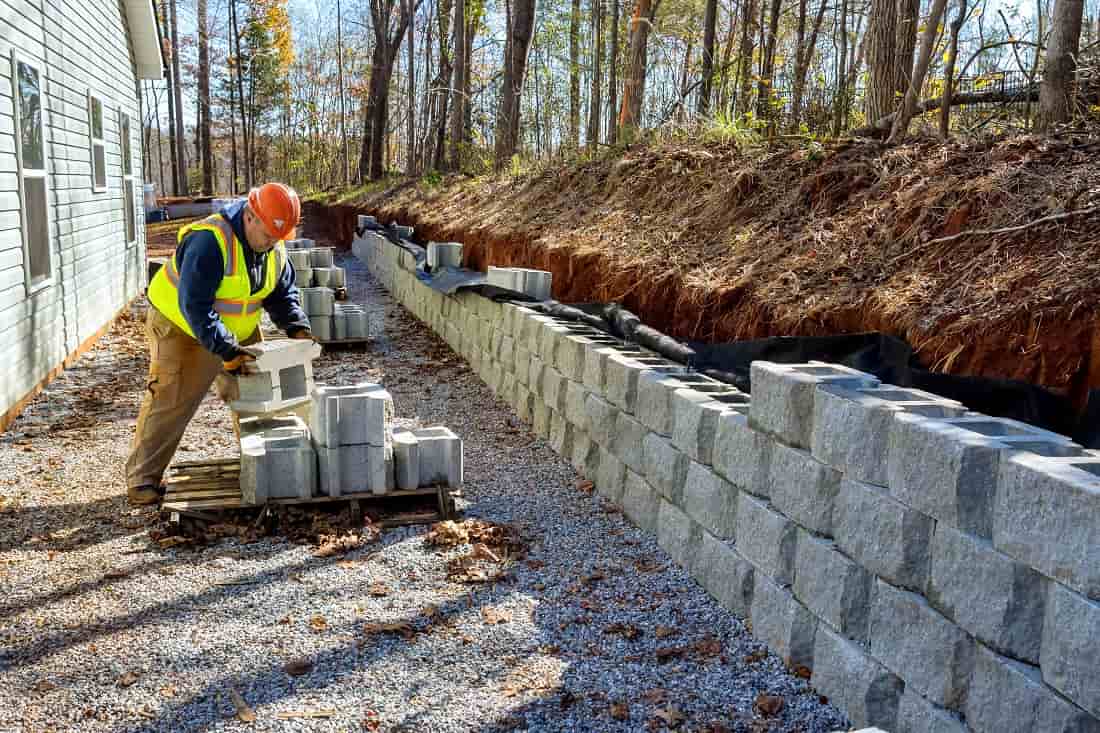
Tip 1: Spot the Problem Early – Before the Wall Comes Tumbling Down
If something doesn’t seem right about a retaining wall near your property, it’s a good idea to never ignore your instincts. The issues tend to begin small but expand rapidly when left unchecked. What is a Party Boundary? – Faulkner’s Surveyors Crawley
Watch out for signs like:
- Cracks forming across the wall
- Excess water at the bottom or back of the structure.
- Slumping or sliding of soil near the wall
- The wall leant further than it should have
These issues generally mean something is not working right.
We can do a legitimate inspection to see what the issue is and provide you with who the culprit really is.” Nab it early, and generally there’s less stress — and less expensive repair bills.
Tip 2: Unsure Who’s Responsible? Let’s Clear That Up
In contentious retaining wall squabbles, one of the largest sticking points is simply not knowing who really owns the wall, or who’s supposed to take care of it. Read More on The Function of the Party Wall Surveyor Crawley Here.
Ownership is not always clear-cut, especially if the wall is situated on or near a boundary. It could come down to:
- What your property deeds show.
- Qui bono from the wall being there.
- Past Use / History or bygone days.
At Faulkner Surveyors, Crawley we can help you understand this with legal documents, on-site observation and expert judgement. In other words, once we have the facts, everything is clear, and fairer.
Tip 3: Accused of Causing Damage? Here’s How to Respond
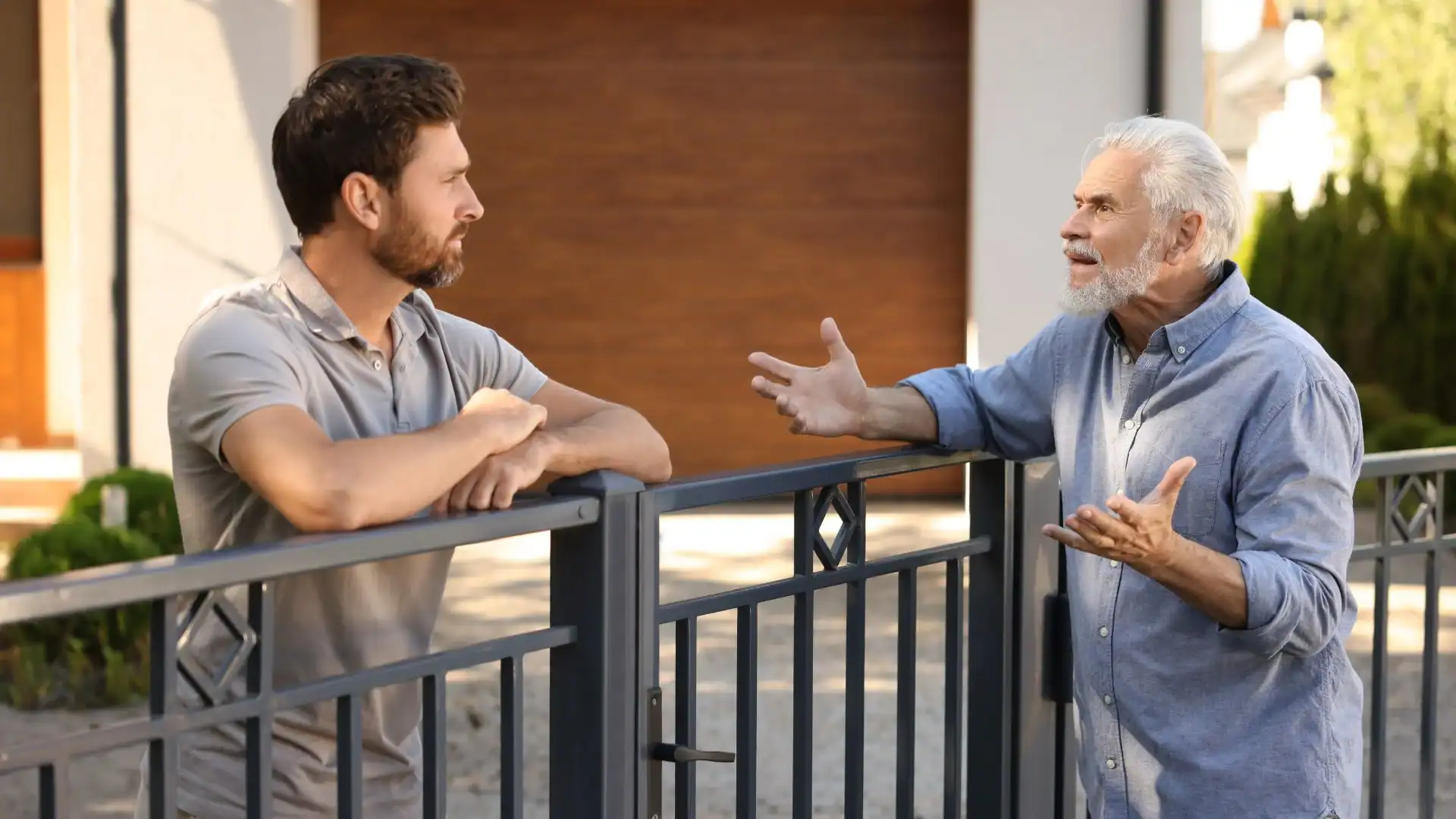
That can be incredibly frustrating that if someone’s accusing you of doing damage that you didn’t do. Before you shell out money on repairs or defend yourself, it’s crucial to know the facts.
Here’s what we recommend:
- There is no need to take responsibility without sufficient evidence
- So get an unbiased third party to do a survey (us)
- Use your own photos to jot down how things change over time
- Don’t trust your neighbor without receiving clear evidence firstetus of truth before you can believe anything.
From Faulkner Surveyors Crawley you will receive a detailed professional report explaining what has occurred and who is (or is not) to blame. That sort of support can really go a long way to quieting things down.
Tip 4: Unsure Whether to Call a Solicitor or a Surveyor First?
It’s a frequent question, and a legitimate one. If the retaining wall issue Crawley is early in its dispute timeline, you’re often best off starting by calling a surveyor. Why?
Because:
- We can review the wall of no damage and kind of just work out who they might have been.
- If things do continue to boil over, you’ll be better prepared
- We often are able to resolve the issue before the need to file a lawsuit!
If formal matters are already starting to raise their heads—maybe you’ve had a formal letter or a court notice—then a solicitor ought to be involved as well. Yet a good surveyor’s solid report remains the basis of any legal case.
Tip 5: Want to Avoid Court Altogether? There’s a Better Way
Legal action is expensive, time-consuming, and stressful. Luckily, most retaining wall disputes don’t need to end up in court—as long as both sides are open to talking.
Here are a few smarter, calmer options:
- Joint Surveyor – Both neighbours agree to hire one surveyor Crawley to provide a fair assessment
- Mediation – A neutral meeting where both sides can speak freely with expert advice at hand
- Written Agreements – Once everyone’s on the same page, we help put things in writing so no one’s left guessing later
At Faulkner Surveyors Crawley, we believe good communication and expert guidance can solve most retaining wall problems—without the cost or stress of court.
FAQs : Resolving Retaining Wall Disputes Crawley Early
Whose responsibility is the retaining wall between my property and my neighbour’s?
This is the most contested question on retaining wall disputes, and the answer rarely matches what either side wants to hear. Under English common law there is a “right of support” between adjoining landowners, meaning land has a natural right to be supported by neighbouring land. As a general principle, the party who altered the natural slope (typically by cutting away or lowering the ground to level their plot) usually owes the duty of support to the neighbour above. So if your neighbour’s house sits lower because the land was excavated to build it, the retaining wall holding up your garden is often theirs to maintain. That said, this can be overridden by what the title deeds say, by historic agreements, or by who actually built and owns the wall on their land. There is no neat statutory rule that decides it: each case turns on the facts, the deeds, and sometimes the historical planning records.
Does the Party Wall etc. Act 1996 cover retaining walls Crawley?
In most cases, no, and this surprises a lot of homeowners. The Act primarily covers party walls (walls forming part of a building between two owners), party fence walls (free-standing masonry walls on the boundary between two pieces of land), and certain excavation works near a neighbour’s structure. A traditional retaining wall, holding back earth between two properties at different levels, does not normally fall within the Act’s definitions in section 20. There are limited exceptions: if the retaining wall is also a party fence wall (free-standing, on the boundary), or if work near it falls under the section 6 excavation provisions, the Act may apply. For most retaining wall disputes, though, the matter is one of common law (boundary rights, the right of support, trespass, nuisance) rather than the Party Wall Act. Anyone telling you to “serve a party wall notice” for a typical retaining wall issue may be steering you toward the wrong process.
My neighbour says I have to pay half the cost of rebuilding their failing wall. Do I?
Almost certainly not, unless there is something specific in your deeds that says otherwise. The position from forum threads and surveyor advice is consistent: if the wall is wholly on your neighbour’s land and they own it, the cost of repair or rebuilding is theirs. They cannot simply present you with a bill and demand contributions because they have decided the wall needs work. Even where the wall is on the boundary, contributions are not automatic. If your neighbour pushes the issue, ask them to put in writing where they say the legal obligation comes from, and check your title deeds carefully. In practice, the right response to a demand like this is usually a polite written refusal stating that you do not accept liability, asking for evidence of any obligation they say you have, and inviting them to put any further communication in writing.
The wall belongs to my neighbour, but I’m worried about damage if it collapses. What can I do?
Quite a lot, actually. If the wall fails and damages your property, your neighbour could be liable in the tort of nuisance (or, if they were aware of the risk, in negligence) for the loss caused. The challenge is that pursuing a claim after a collapse is stressful and expensive. The better route is to act before the failure. Document the wall thoroughly with photographs, dates, and notes on cracks, leaning, water seepage, or movement of soil. Put your concerns to your neighbour in writing, asking them to inspect and address the wall. Keep copies of all correspondence. If they refuse to engage and the wall genuinely looks dangerous, you can report it to your local council, who may have powers under the Building Act 1984 (section 77) to require an owner to deal with a dangerous structure. Your buildings insurer may also have a legal helpline that can give you a free starter view.
Should I call a solicitor or a surveyor first when a retaining wall dispute Crawley kicks off?
Most of the time, a chartered surveyor with experience in boundary and retaining wall matters is the right first call. The reason is practical: most retaining wall disputes turn on facts about the wall itself, the slope of the land, and where the boundary actually sits. Until those are established, no solicitor can give you a properly grounded opinion. A surveyor’s report covering the wall’s condition, who likely altered the natural ground level, the position of the wall relative to the boundary, and the implications of any title plan inconsistencies usually gives you the foundation for everything that follows. If a formal letter, court claim, or pre-action protocol notice has already been served, you do need a solicitor in the loop quickly, but their advice will still be far more useful with a surveyor’s findings in hand.
Need Help With a Retaining Wall Issue Crawley?
If a wall is causing problems, or even just confusion, give us a call. We’ll help you understand your rights, get clarity on ownership, and avoid any unnecessary fallout with your neighbours.
It is always better to plan ahead, settle earlier and seek help before things get off track. This is where Faulkner Surveyors Crawley help you get things done, the way you want, at your home, and with peace. Just get in touch with us, and we will take care of things from there.
For Further Information Please Call Us Today 03300100262