
When it comes to property lines, not all walls are built the same. The type of wall that separates buildings can, in fact, make all the difference, particularly if you’re looking to carry out any kind of building work on or near it.
There are a couple of different kinds of party walls Crawley – knowing which type you have is crucial for remaining on the right side of the law (and your neighbours). What is the minimum distance between 2 houses?
Whether you’re extending your house, converting your loft, or just having it repaired, the kind of party wall between your home and your neighbour’s home is going to have an impact on the sort of permissions you’re going to need, on the type of notice you will have to serve, and who has to pay for what.
In this guide, we’ll break down the primary types of party walls, how they differ, and why that matters, so you can proceed with your project in confidence and without conflict.
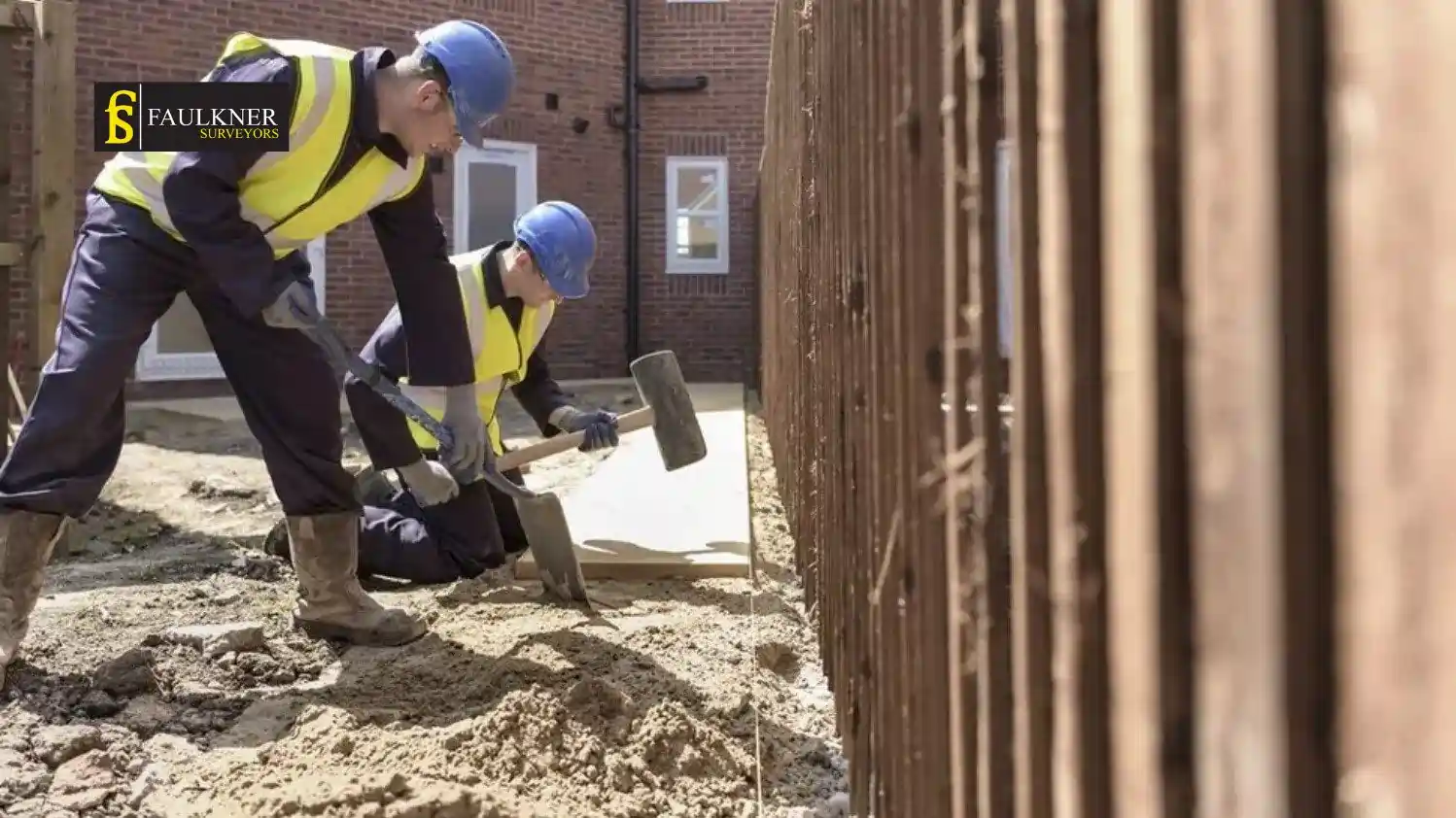
What a Party Wall Crawley, and Why It’s Important for Homeowners and Builders?
A party wall is a wall that offers mutual support to two (or more) owners whose land it stands on and which is used by both owners. More often, it is between terraced or semi-detached houses. However, party walls could also divide flats or garden walls that sit on the boundary line.
So, why does it matter? The reason being – if you intend to do any building work which would change this wall, be it an extension or a loft conversion, or perhaps even some lesser internal renovations, you will also have to notify your neighbour within the Party Wall etc. Act 1996. This is to ensure that both parties are protected and there will be no further disputes.
At Faulkner Surveyors Crawley, we aim to make the entire process transparent, fair and in accordance with the law.
Is That Wall Yours, Mine, or Ours? How to Identify If You Share a Party Wall Crawley
Often, it is not clear who owns a wall dividing two properties. Often, it is a joint accord. It is a boundary wall, for example, separating two semi-detached homes, and if that wall sits right on the boundary line and serves both properties, it is known as a party wall.
This is usually the wall that belongs to the landowner, where the wall sits on only one side of a boundary. If, in a structural sense, that wall was supporting the neighbour’s building, there might be some sort of shared responsibility even then.
When in doubt, don’t guess. If it doesn’t, we can check the wall at Faulkner Surveyors, Crawley and resolve ownership issues before any work takes place.
What Are the Different Types of Party Walls Crawley, and How Do They Impact Your Property Rights?
There are mainly three types of party walls:
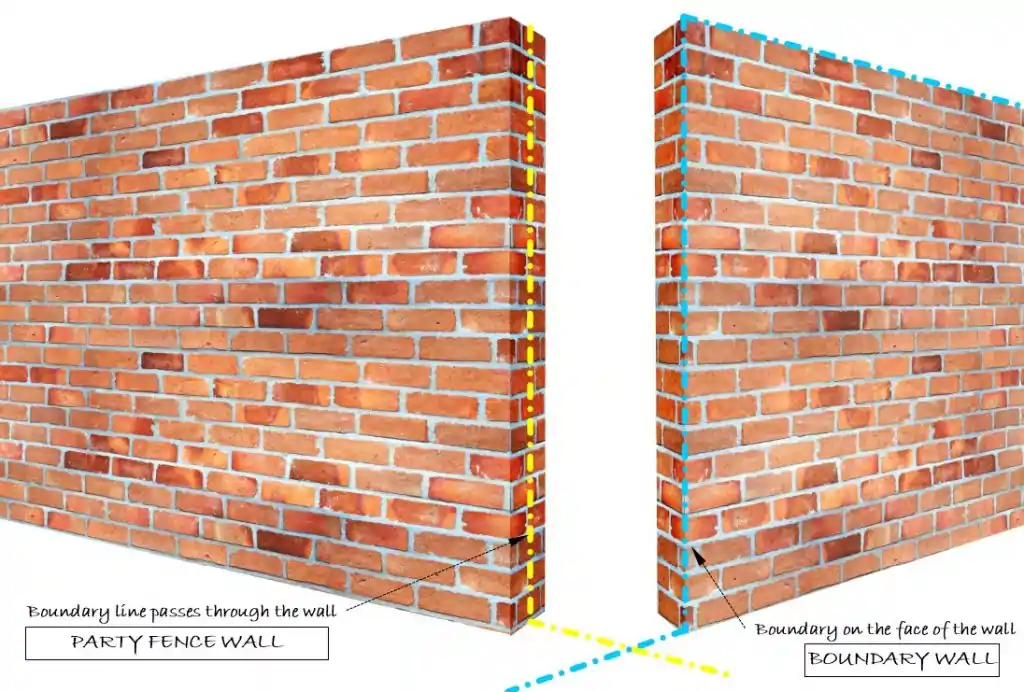
- Type A: A wall standing directly on the boundary line, shared by both owners.
- Type B: A wall entirely on one owner’s land but used by the neighbour to support their structure (like a floor or roof).
- Party Fence Wall: A wall (not part of a building) built along a boundary, like a garden wall.
Party Fence Wall: A wall (not part of a building) built along a boundary, like a garden wall.
These classifications matter because they determine what permissions you need and how the law applies if you plan to build or work. Faulkner Surveyors ensures you understand your rights and responsibilities based on the type of wall in question.
How Is a Type A Party Wall Different from a Type B? (And Which One Do You Have?)
Type A — equally shared party wall along the boundary line. Both neighbours legally own it. You cannot change it without appropriate notice and consent.
Type B : (Imagine a Type B wall on one person’s property which serves the neighbour’s structure) The wall may belong to one party, but the law says that the neighbour has rights when their property relies on it.
Identifying the type of wall you have is not always easy, but it is essential for planning work. At Faulkner Surveyors, we can come and evaluate your wall and tell you just what it is that you are facing.
How Could the Type of Party Wall You Have Affect Your Renovation or Extension Plans Crawley?
Yes, it absolutely can. The wall that is being built influences what type of notice should be served, how much access will be required to your neighbour’s land, and, of course, gives an indication as to what type of agreement must exist before works commence.
An example of this would be a Type A wall, which typically has some form of reciprocal rights. Type B wall requires the other structure that is attached to it to rely on it.
At Faulkner Surveyors Crawley, we help you plan properly so you avoid legal hiccups and keep things neighbourly.
What’s the Legal Responsibility for Each Type of Party Wall—And Who Pays for What?
Generally, the person carrying out the work is responsible for the costs involved—including surveys, legal notices, and any damage repairs. But it depends on the type of work and how it affects the shared wall.
With a Type A wall, costs are often shared only if both parties benefit from the work. With a Type B wall, the person doing the work usually covers everything.
At Faulkner Surveyors Crawley, we provide clear guidance on cost-sharing and legal duties so there are no surprises down the line.
What do you do in disputes depending on the kind of party wall?
Disputes can arise, however, if neighbours cannot see eye to eye on the type of wall to be built, the proposed work, or who should foot the bill. And here’s where having the right surveyor is everything.
We enter the scene as independent Party Wall Surveyors to gain an understanding of the situation, explain the legal position in plain English and draw up a Party Wall Award if necessary. This document details what work can be performed, when it can occur and what the parameters are — all zeroed in by wall type and property specifics.
Here at Faulkner Surveyors Crawley, our role is to keep the lines of communication open and calm and to ensure that the law is adhered to in every step along the way.
When Do You Need a Party Wall Agreement—And Does the Wall Type Make a Difference?
You need a Party Wall Agreement (also called a Party Wall Award) when your work involves a party wall, boundary, or neighbouring excavation. But the type of wall involved determines which notice you have to serve and which protections are needed. Can You Sack a Party Wall Surveyor? A Comprehensive Guide
For example, cutting into a Type A wall or excavating near a Type B wall both require proper notice and possibly an agreement. We help you figure out exactly what’s needed for your situation.
Faulkner Surveyors Crawley take care of the paperwork, negotiations, and legal requirements—so you don’t have to worry.
What If You’re Not Sure What Type of Wall Crawley You Share With Your Neighbour?
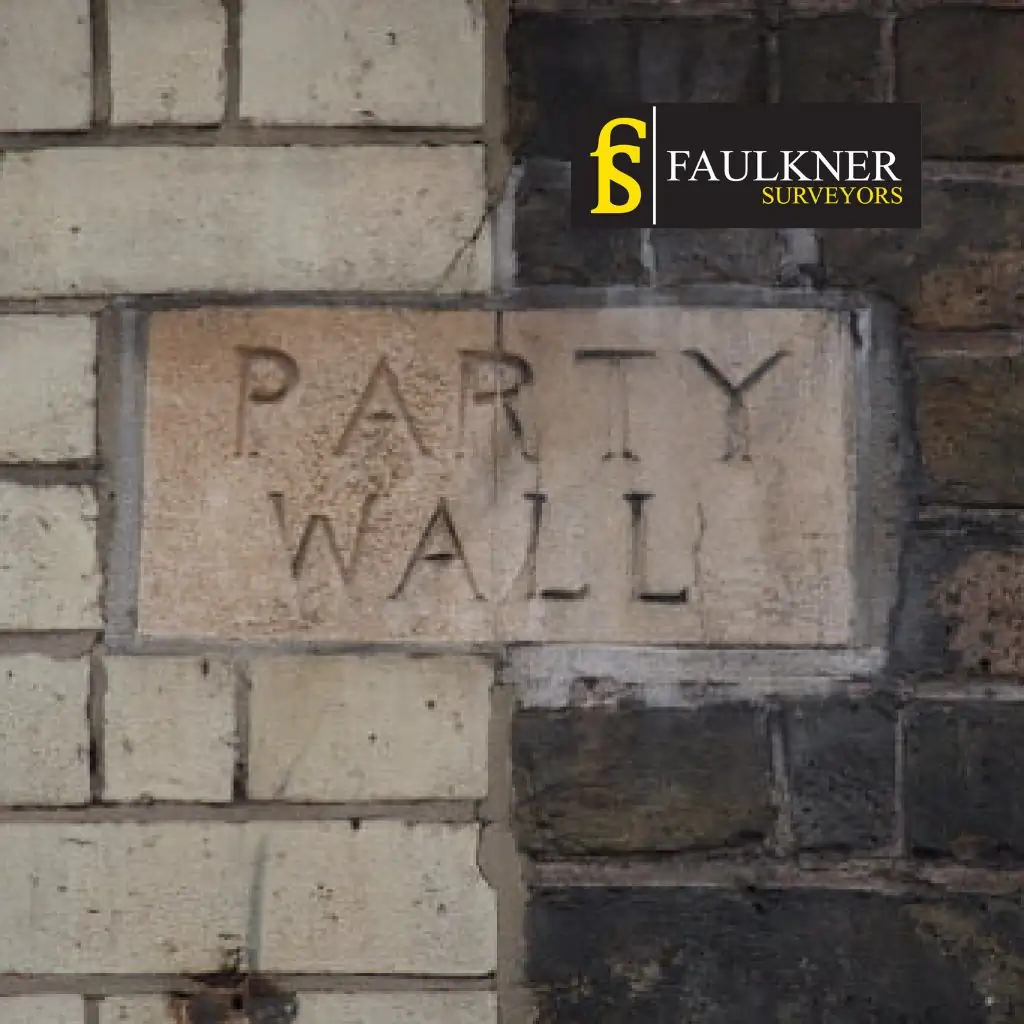
First off: don’t make assumptions. And it’s easy to mess it up, which can result in delays or legal trouble.
If you aren’t sure whether a wall is shared or solely yours, it’s wise to seek a professional opinion before commencing any work. At Faulkner Surveyors, we can examine the wall, check boundary lines and clarify your rights.
It’s a lot less hassle to get it right up front. And we’re here to facilitate every bit of the way.
FAQs : Types of Party Walls Crawley
Is the wall between my house and my neighbour’s always a party wall?
Not automatically. The test under section 20 of the Party Wall etc. Act 1996 is about whether the wall forms part of a building and where it sits relative to the boundary. A wall that straddles the boundary and forms part of a building on at least one side is a Type A party wall, which covers most semi-detached and terraced house walls. A wall sitting entirely on one owner’s land only becomes a party wall in the legal sense (Type B) if the neighbour has actually enclosed against it, for example by attaching their own extension. A free-standing wall or a detached garage wall right up against the line is usually not a party wall at all, just a boundary feature. Getting this wrong is a common reason homeowners end up serving notices they did not need, or missing ones they did.
What’s the difference between a party wall Crawley and a party fence wall Crawley?
The easiest way to think about it is buildings versus gardens. A party wall, under section 20(a) or 20(b), is structural: it forms part of a building, like the shared wall between two terraced houses. A party fence wall is a free-standing masonry wall on the boundary that separates two pieces of land, typically a brick garden wall between back gardens. Both are covered by the Act, but the notice provisions and what counts as notifiable work differ between them. One thing that catches a lot of homeowners out is that wooden fences and fences with concrete posts are not “party fence walls” in the legal sense, so the Act does not apply to them at all.
My neighbour built an extension against my garden wall years ago. Does that make it a party wall now?
Quite possibly, and this is where the story gets complicated. If your neighbour attached their building to a wall that was originally wholly on your land, and that wall now separates two buildings, the enclosed section has most likely become a Type B party wall. Strictly speaking, enclosing on a neighbour’s wall without permission is a trespass, but courts lose the power to order removal after 12 years, and after 20 years a neighbour may acquire an easement allowing them to continue using the wall. This is how a lot of Type B walls come into existence in practice, rather than by formal agreement. Before doing any work on it yourself, it is worth getting the wall’s status properly established.
Does the type of wall actually change what notice I need to serve?
Yes, though not in the way most homeowners expect. The type of wall feeds into which section of the Act applies to your proposed works, and that is what dictates the notice. Work to an existing party wall or party structure (Type A or Type B) normally falls under section 2, requiring a two-month Party Structure Notice. A brand new wall built at or astride the boundary falls under section 1, requiring a one-month Line of Junction Notice. Excavation near a neighbour’s building, regardless of wall type, falls under section 6 and also requires a one-month notice. So the wall classification matters because it shapes which notice template you use, what the neighbour is being asked to consent to, and what timeframes apply.
I don’t know what kind of wall I have. What’s the safest thing to do before starting work?
Honestly, get someone to look at it before serving anything. The distinction between Type A, Type B, a party fence wall, and a standalone boundary wall looks straightforward on paper but trips up even experienced builders. A short inspection by a party wall surveyor, combined with a look at your title plan and any conveyance documents, usually resolves the question within a single visit. If you serve the wrong notice, or serve a notice when none was needed, the process can be challenged by your neighbour and you may have to start again. Equally, skipping notice on the assumption a wall is “yours” when it is actually shared can leave you exposed to an injunction. Spending a modest amount on confirmation upfront is usually much cheaper than unpicking the wrong assumption later.
For Further Information Please Call Us Today 03300100262